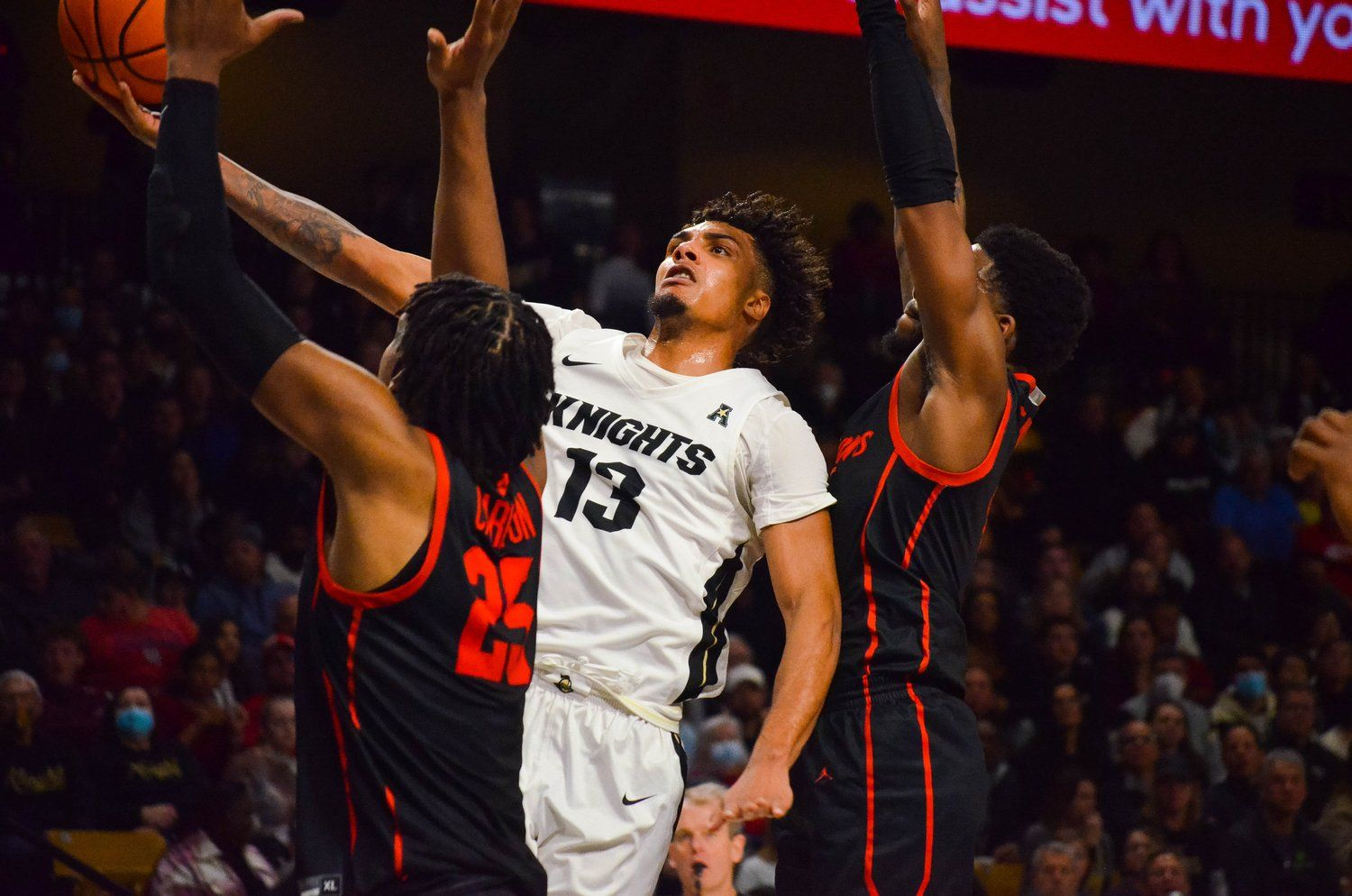
A finished highlight reel looks effortless on purpose — that's the job. But there's a workflow behind every sizzle cut on this site, and it's the same handful of steps every time, whether the source is a football game, a wrestling card, or a drone pass over a stadium.
Shoot with the edit already in mind
Editing starts on the sideline, not at the desk. Every angle gets shot knowing whether it's a wide establishing frame, a tight reaction shot, or B-roll to cut away to — because footage captured without that intent is footage that gets cut later anyway. The two-body kit (a6400 for stills, FX30 for video) exists precisely so nothing has to be sacrificed in the moment to get both.
The cull, before the cut
A full day of coverage produces far more footage than any final reel needs. The first real editing decision isn't a cut — it's the cull: watching everything once, flagging the clips with real impact (the hit, the celebration, the crowd reaction), and setting aside the rest. Editing a reel out of unculled footage is how projects stall.
Cutting for rhythm, not just highlights
A highlight reel isn't just the best plays stitched together — it's paced. Fast cuts on impact moments, a beat of space after a big play to let it land, music that the cuts are actually built around rather than dropped on top afterward. That rhythm is what separates a "sizzle reel" from a folder of clips in chronological order.
Delivery that respects the platform
A reel built for a broadcast package, an Instagram grid, and a TikTok upload isn't the same export three times over — aspect ratio, pacing, and even the opening seconds change depending on where it's going to live. Part of the job is knowing which cut belongs where before the export even starts.